
It’s 2026, and looking back, the journey of VALORANT’s game modes has been one wild ride. I remember those early beta days when all we had was the standard Unrated and Competitive. The community was vocal, man, we were practically screaming for a proper Deathmatch mode to warm up our aim and just have some mindless fun. The devs heard us, they really did, but they always made it clear – implementing a Deathmatch wasn’t just a flip of a switch. The game’s core design, with its precise gunplay and tactical abilities, wasn’t initially built for that pure, instant-respawn chaos. They said they needed to “lay the groundwork,” and boy, did that take some time. We were all like, “Come on, Riot, give us the DM!” But honestly, the wait made the eventual release that much sweeter.
The Long-Awaited Deathmatch & The Evolving Ecosystem
Fast forward to now, and it’s crazy to think how the mode ecosystem has evolved. The devs were right on the money when they teased that it would change. We didn’t just get Deathmatch; we got a whole suite of ways to play. Deathmatch itself went through several iterations based on player feedback – they tweaked spawns, player counts, and even added optional ability usage before settling on the slick, fast-paced version we have today. It’s become the go-to warm-up, a place where you can just focus on your mechanics without the pressure. The key takeaway from the early days was that the developers were listening. They noted our interest and, true to their word, delivered… even if it felt like an eternity at the time.
Spike Rush: Controlled Mayhem from Day One
While we were dreaming of Deathmatch, Riot hit us with Spike Rush, and let me tell you, it was an instant classic. This mode was the perfect antidote to ranked stress. The devs described the standard game “turned up to 100,” and that was no cap.
Here’s the breakdown of why it was so chaotic from the get-go:
-
Round Limit: Max 7 rounds. Games were over in 8-15 minutes. Perfect for a quick session.
-
Spike For Everyone: Every attacker had their own Spike! No more fighting over who plants. This alone changed the entire dynamic.
-
Weapon Lottery: Both teams used the same random weapon each round. One round you’re dueling with Sheriffs, the next you’re running around with Odins. It was hilariously unpredictable.
-
Orb Bonuses: The map was littered with power-up orbs. These were the real game-changers.
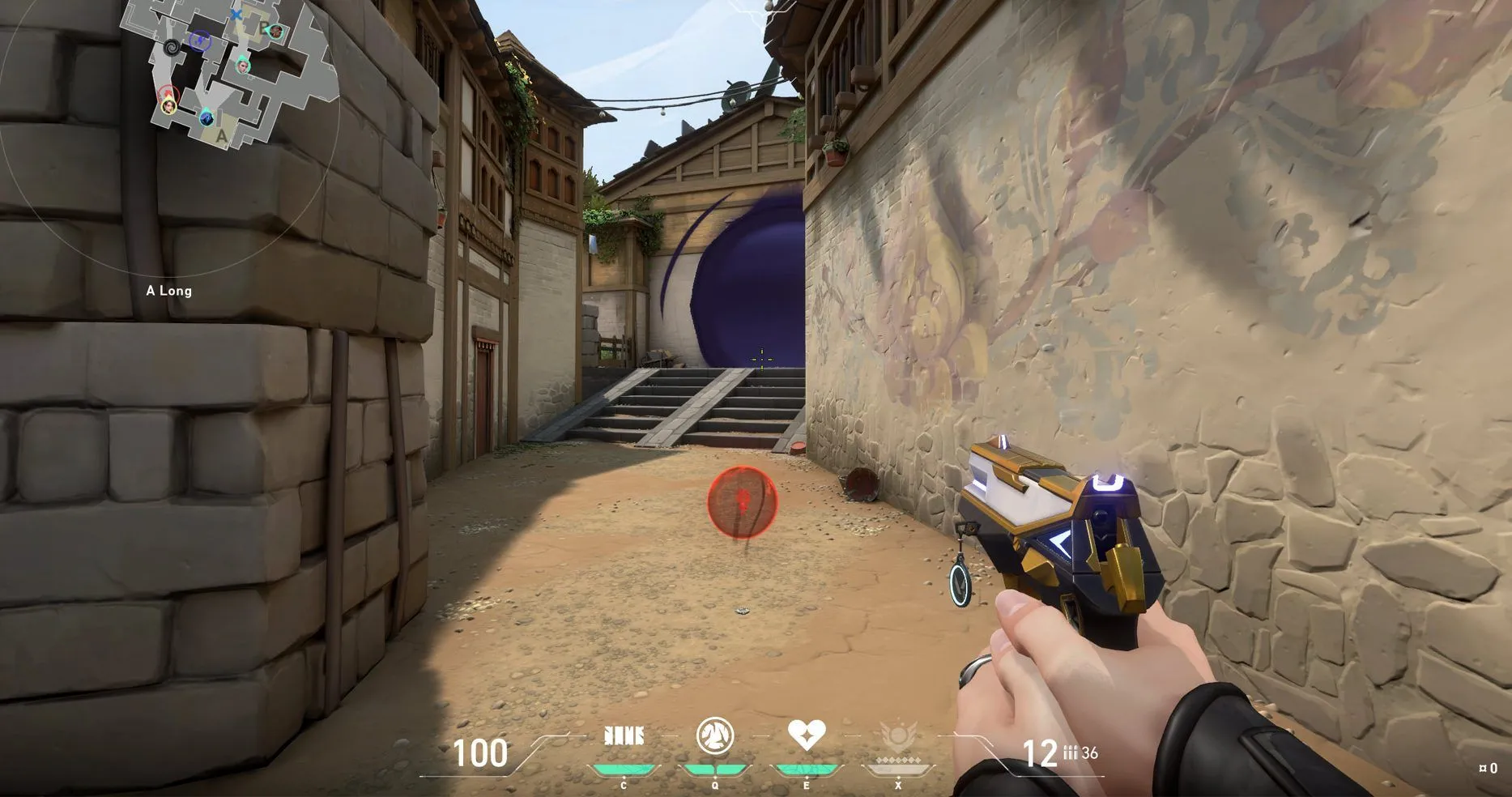
The orb system was where the real madness happened. You never knew what you’d get. Grabbing an orb could give your team a huge advantage or seriously mess with the opponents. It was pure, unadulterated chaos, but in the best way possible. To say “there’s a lot going on” was the understatement of the century.
From Beta Experiment to Permanent Fixture
Remember, Spike Rush launched in beta. We weren’t sure if it would stick around, become a rotating mode, or vanish. The devs were smart; they used that beta period to gather data and our feedback. And we gave it to them! Over the next few months, they rolled out changes:
-
More Orb Variety: They added new power-ups and debuffs based on what was fun and what was frustrating.
-
Balance Tweaks: Weapon randomization got adjusted to feel fairer.
-
Map Pools: They figured out which maps worked best for the faster pace.
All that tuning paid off. Spike Rush didn’t just survive; it thrived. It carved out its own niche as the perfect casual, fun-first mode. It proved that VALORANT could be more than just hyper-competitive tac-shooter. It could be a playground.
The Modern VALORANT Experience
Now, in 2026, the mode lineup is richer than ever. We’ve got:
-
Competitive & Unrated: The core, tactical experience.
-
Deathmatch: The refined, aim-training essential.
-
Spike Rush: The permanent, chaotic party mode.
-
Various Limited-Time Modes (LTMs): Rotating modes that keep things fresh, often building on the “quick and crazy” philosophy Spike Rush pioneered.
It’s a testament to Riot’s approach. They don’t just throw stuff at the wall; they plant an idea (pun intended), nurture it with community feedback, and integrate it thoughtfully. The early tease about Deathmatch and the beta launch of Spike Rush set the stage for a game that understands its players want variety. Sometimes you want to sweat in ranked, sometimes you want to grind your aim, and sometimes you just want to grab a random Operator and hunt for golden gun orbs with your friends. VALORANT, through its modes, lets you do all of that. The journey from those first teases to the robust system we have today? Absolutely worth the wait. It’s been a hell of a ride, and I’m stoked to see what they come up with next.