Valorant Patch 9.04 Revisited: Vyse, Split, and the Fixes That Shaped 2026
Valorant Patch 9.04 introduced Vyse, expanded the console map pool, and refined competitive play with impactful quality-of-life fixes.
I still remember the night patch 9.04 landed, because it felt less like a routine Valorant update and more like a reset button for the way I thought about agent releases, console map pools, and the small quality-of-life details that decide whether a ranked session feels fair. In 2026, Riot's live build has moved far beyond 9.04, but I keep returning to that patch as a case study. It introduced Vyse, added Split to the console active map pool, adjusted tactical timeouts in Premier and Tournament Mode custom games, and cleaned up a long list of bugs that had been quietly shaping matches. The patch was not the loudest update in Valorant history, yet it left a clear fingerprint on how the game feels today.
A New Agent, a New Act, and a Console Map
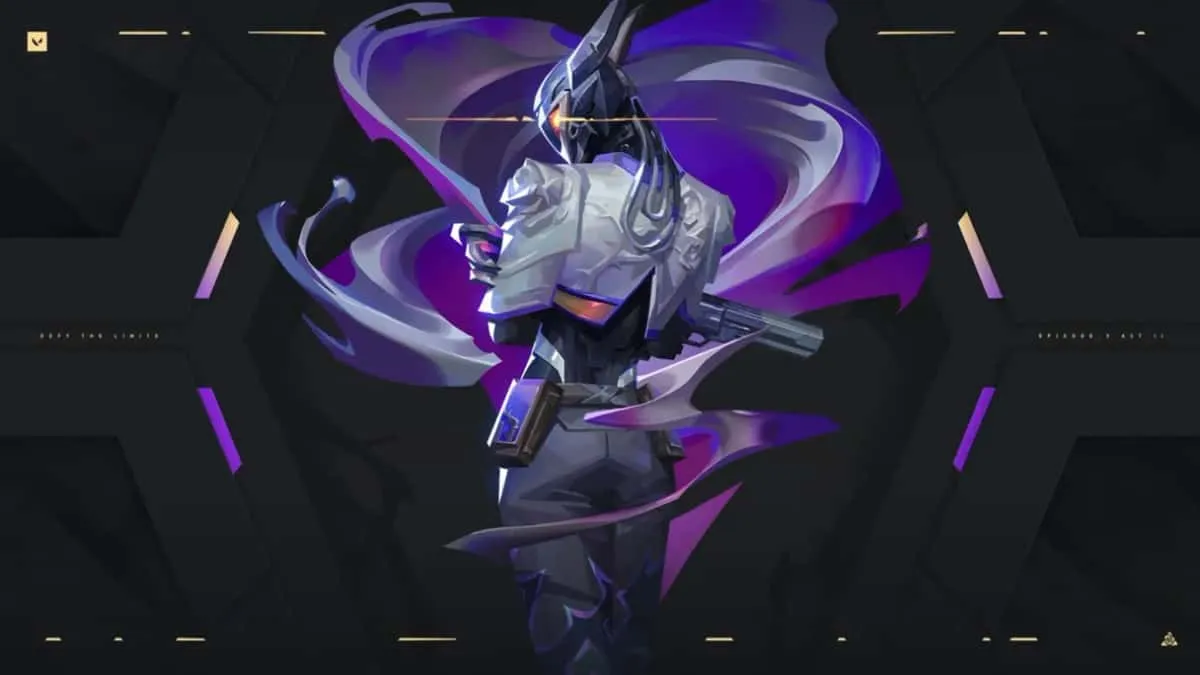
From my perspective, Vyse was the headline. Riot framed 9.04 as the start of a new Act, and the new Sentinel arrived with a kit built around denial, information control, and metal-based traps. I tested the abilities in public lobbies and watched how quickly players adapted to her tempo. Vyse does not reward reckless aggression. She rewards patience, map knowledge, and a willingness to play behind the first contact.
| Ability | What I noticed | Competitive read |
|---|---|---|
| 🥀 Arc Rose | I could place a stealthed Arc Rose on a surface or fire through it, then reuse it to blind players looking at it. Picking it up allowed redeployment. | Strong for retakes and for breaking a dry peek, but it demands timing. |
| 🧱 Shear | A hidden wall trap that bursts into an indestructible wall when an enemy crosses. It lasts briefly, then dissipates. | Excellent for cutting off escape routes and splitting a push. |
| 🌿 Razorvine | The nest becomes invisible after landing, then expands into a large slowing, damaging area when activated. | A quiet zone-control tool that punishes rushed entries. |
| ⚙️ Steel Garden | A torrent of metal thorns that jams enemy primary weapons after a brief windup. | A high-impact ultimate that can flip a site hold if timed with utility. |
Split's arrival in the console active map pool was another important thread. Patch 9.02 had brought Icebox, and 9.03 added Pearl. With 9.04, Split completed a steady console map expansion. I liked the pacing of that rollout because it gave controller players time to learn each map instead of drowning in a sudden rotation. Split's verticality and tight chokes are punishing, but they also teach discipline. In 2026, I see that console map rollout as an early sign that Riot wanted the console experience to feel deliberate rather than secondary.
Timeout Rules and the Small Details That Matter
The tactical timeout change was easy to overlook, and that is exactly why I paid attention. Teams in Premier and Tournament Mode custom games now have two tactical timeouts they can call at any time. Previously, they had one per half. If the game goes to overtime, each team gets one additional tactical timeout. On paper, this is a minor rules tweak. In practice, it gives captains more flexibility to stop momentum, reset communication, or answer a surprise strategy. I have seen timeouts swing close matches, and the 9.04 adjustment made those moments feel less rigid.
Riot also focused on bug fixes that improved the day-to-day experience. Skye's Seekers no longer fail to consume Ultimate Points under certain conditions. Neon can no longer slide into the barrier at the start of a round and gain a free slide charge. KAY/O's Flash/Drive no longer shows a second explosion when thrown behind a wall. The combat report received fixes for minimap coverage under Nearsight effects and for a white box icon appearing on disconnected players. These are not glamorous changes, but they are the kind of fixes that protect competitive integrity.
Map cleanup mattered too. Abyss received several fixes around Mid and A Site to stop agent abilities from passing through walls, clearer pre-round barriers at the map edges, and an adjustment near B Main to prevent out-of-bounds camping. Icebox and Lotus also appeared in the patch notes, and the new player tutorial continued to evolve. When I look at 2026's cleaner map geometry and more predictable utility interactions, I can trace part of that expectation back to updates like 9.04.
Agent Tuning and Known Issues
Sova and Astra received smaller but meaningful adjustments. Hunter's Fury now has reduced spikes in rotational speed after each shot, which makes the ultimate feel more controllable. Astra's Cosmic Divide wall placement now prioritizes player input, giving players better command over where the wall lands. I appreciate changes like these because they respect muscle memory while removing frustration.
The patch also listed known issues involving Vyse, Sova, and surrender voting. The surrender voting note was especially practical: pressing Circle or B closes the voting popup, but that also means the player cannot participate and will eventually default to a 'no' vote after timing out. Button icons in the bottom right corner could block other UI elements until voting ended. In 2026, I expect cleaner voting UI, but 9.04 was part of the long grind toward that polish.
What stays with me most is the patch's balance of novelty and maintenance. Vyse gave players a new puzzle to solve. Split gave console players another map to master. The timeout rules gave Premier and Tournament Mode teams more control. The bug fixes gave ranked players fewer excuses to blame the game. I would not call 9.04 the most dramatic Valorant patch ever, but I do call it one of the most instructive. It showed that a strong update can arrive without a massive overhaul, as long as it sharpens the parts of the game players touch every round.