Aspas vs. Leviatán: The Valorant Contract Standoff That Still Echoes in 2026
aspas’s reported Valorant split from Leviatán hinged on roster influence, a coaching clash, and contract math.
Few Valorant transfer sagas blend star power, front-office friction, and cold contract math quite like the reported split between aspas and Leviatán. According to a September 2024 report, the Brazilian Duelist and Valorant Champions 2022 winner was set to leave the Argentinian organization after butting heads with management. The root of the tension was not a single lost map or a dramatic practice blow-up; it was influence. aspas was reportedly unsatisfied because he was not involved enough in future and past team decisions around the roster and coaching staff, a detail that turns a superstar exit into a story about who really controls a VCT project.
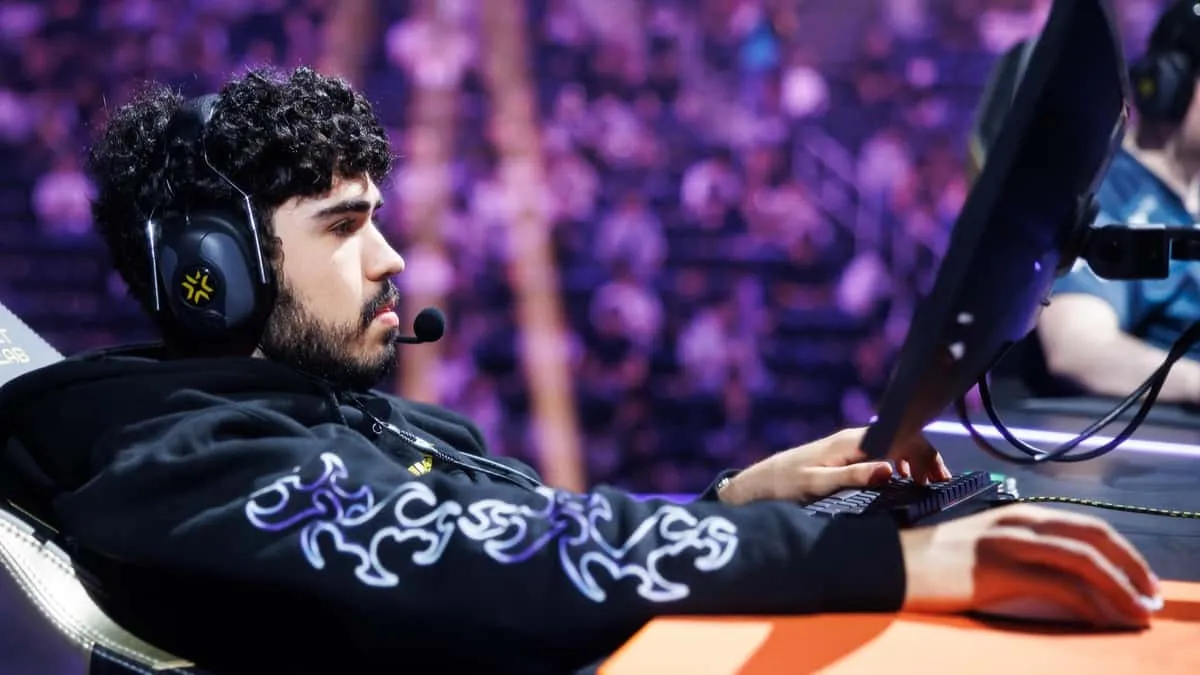
On paper, the marriage looked like a match made in heaven. Leviatán had a proven trophy-winner, a Duelist who could take over a server, and a roster that could punch with the best in VCT Americas. aspas, meanwhile, had a platform and a paycheck. But Valorant is not played on paper, and the reporting suggests the relationship was less 'happily ever after' and more 'two strong personalities sharing one controller.' The Brazilian was consulted on many roster decisions and was described as hard to please, which is not necessarily a crime. Elite players often have strong opinions. The problem was that his influence apparently did not extend far enough into the coaching decision, and that is where the bad blood started to simmer.
The friction points
| Flashpoint | What reportedly happened | Why it mattered |
|---|---|---|
| Roster influence | aspas was consulted on many roster decisions but still felt under-involved in past and future calls. | A superstar who feels half-in and half-out can become a walking distraction. |
| Coaching change | The team changed coaches mid-season. aspas wanted former LOUD counterpart fRoD; Leviatán elevated Itopata to head coach and brought in Juv3nile as an assistant. | This was the clearest sign that management and player were not reading from the same playbook. |
| Contract timing | He had signed with Leviatán through 2025 the previous offseason. | Any exit would run straight into termination-clause negotiations. |
The coaching clash was the flashpoint. aspas reportedly wanted fRoD, a familiar face from his LOUD days, for the head-coach role. Leviatán went another way, promoting Itopata and adding Juv3nile as an assistant. From the outside, that is a normal org decision. From the inside, it can feel like a veto. When a player of aspas’s caliber is already frustrated about how much say he has, a coaching call he disagrees with can turn a simmer into a full boil. The report says the two sides butted heads mid-season during that coaching change, and it is easy to see why.
Contract jail and the price tag
Even if aspas wanted out, leaving was never going to be as simple as packing a mousepad. He was already in negotiations with other teams for the 2025 season, according to the report, but the hang-up was money—specifically, prospective teams paying his contract’s termination clause. Because he signed through 2025, Leviatán held the cards. That is the classic 'contract jail' scenario: the player wants the door, the org owns the lock, and the buying team has to decide whether the sticker price is worth the drama. 💰
The price tag was never going to be small. aspas was one of the hottest prospects on the market because he had led multiple teams to deep major runs. He helped Leviatán win VCT Americas Stage 2 and place third at Valorant Champions 2024. He was also voted MVP of the 2024 VCT season. Those accomplishments give him leverage at the negotiating table, but they also raise his salary demands and make any termination fee harder to swallow. A team is not just buying a Duelist; it is buying a brand, a trophy résumé, and a built-in spotlight. That is not a cheap date. 🧠
No team was publicly linked to aspas when the report landed, which kept the rumor mill spinning without a clear destination. The report also noted that his international ambitions made a move outside VCT Americas possible, similar to his former LOUD teammate Saadhak or yay’s journey to VCT Pacific with Bleed. That possibility added spice to the story. A player of his caliber moving regions would not just change one roster; it would shift the balance of power in the league.
The 2026 read
By 2026, the episode reads less like a simple transfer rumor and more like a warning label for VCT front offices. The original report did not name a destination, and it did not hand anyone a tidy ending. That ambiguity is exactly why the story still matters. It exposes the fault lines between player empowerment and organizational control: how much say should a superstar have in roster construction? When does consultation become a veto? And how do teams balance a coach’s authority with a Duelist’s comfort zone?
For players, the lesson is blunt: talent buys leverage, but contracts buy time. For orgs, the lesson is equally sharp: a superstar who feels sidelined can become a problem that no amount of firepower can fix. In 2026, as Valorant’s offseason continues to be a chess match of buyouts, roster locks, and behind-the-scenes negotiations, the aspas–Leviatán standoff remains a useful case study. It had the juice: a Champions winner, a coaching clash, a contract clause, and a market full of teams doing math. Whether aspas ultimately stayed, moved within the Americas, or took his talents abroad, the reporting made one thing clear—when a star and a front office stop singing from the same hymn sheet, the exit music can get loud. 🔥